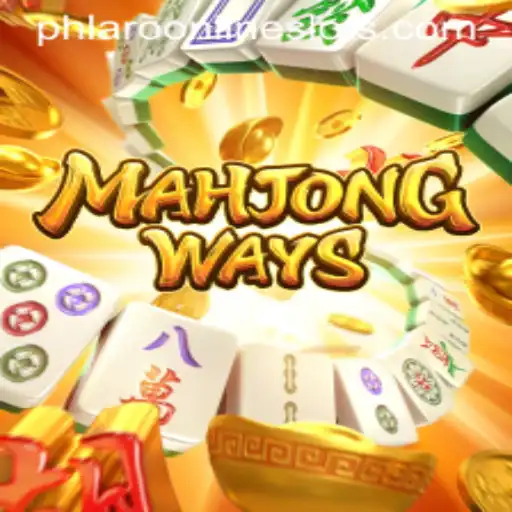
Introduction to MahjongWays
MahjongWays, a captivating and exhilarating take on the traditional game of mahjong, has captured the hearts of gaming enthusiasts worldwide. Rooted deeply in Chinese culture, the classic game of mahjong has been reimagined to offer players a modern twist while preserving the game's strategic essence. MahjongWays not only allows players to engage in the timeless art of tile matching but also adds new dimensions to the gameplay, making it both innovative and respectful of its rich heritage.
The Evolution of MahjongWays
The traditional game of mahjong has been played for centuries, originating in China during the Qing dynasty. The game quickly spread across the world, captivating players with its balance of skill, strategy, and chance. MahjongWays takes homage from this rich legacy and introduces players to a dynamic gameplay environment that reflects contemporary trends while retaining its cultural roots.
In recent years, MahjongWays has gained popularity in various formats, including digital platforms and mobile gaming applications. This expansion into the digital realm has made the game accessible to a global audience, further enhancing its appeal through vibrant graphics and interactive features that captivate players of all ages.
Current Events and Trends
The past few years have seen a resurgence in traditional games, including MahjongWays, as people seek comforting pastimes amidst global uncertainties. With the ongoing global challenges, many have turned to games like MahjongWays as a means of relaxation and mental stimulation. The game's online adaptation has played a significant role in its increasing popularity, allowing players to connect and compete with others worldwide from the comfort of their homes.
Recent tournaments and online competitions have further elevated MahjongWays' status in the gaming community. These events often attract thousands of participants, showcasing the game’s complexity and strategic depth. In parallel, themed variations continue to emerge, celebrating different aspects of culture and history, thus keeping MahjongWays fresh and engaging.
Understanding the Rules of MahjongWays
At its core, MahjongWays adheres to the basic rules of traditional mahjong yet adds innovative twists that challenge players to adapt their strategies. The primary objective remains to create specific sets of tiles, known as 'pung' (three identical tiles), 'chow' (a sequence of three tiles in the same suit), and 'kong' (four identical tiles), ultimately achieving a 'mahjong'.
The game is typically played with 136 tiles, divided into three suits — circles, bamboo, and characters — along with honor and bonus tiles. Players draw and discard tiles in turn, aiming to complete a legal hand while strategically denying opponents favorable tiles.
Innovative Features
MahjongWays introduces unique features that differentiate it from traditional mahjong. Among these are various power-ups and twists that can alter the course of the game. Some versions of MahjongWays incorporate tiles with special abilities, such as 'wild' tiles that can substitute for any other tile, adding layers of strategy and surprise.
The game's digital format also offers beginner-friendly tutorials and practice modes. Players can engage in single-player challenges or compete in multiplayer matches, fostering a competitive yet accessible environment for newcomers and seasoned players alike.
The Role of 'Phlaro'
A concept gaining attention in the MahjongWays community is 'phlaro', a term referring to specific strategic plays that involve intricate sequences to outmaneuver opponents. Phlaro techniques emphasize foresight and adaptability, encouraging players to think several moves ahead and maximize their scoring opportunities.
While no formal definition fully encapsulates phlaro within MahjongWays, it often involves anticipating opponent moves and strategically holding or discarding tiles to disrupt their plans. Mastery of phlaro can give players an edge, especially in high-stakes tournament settings, further highlighting the strategic depth of MahjongWays.
Conclusion
MahjongWays remains a testament to the resilience and adaptability of traditional games in the modern digital age. As it continues to evolve, the game maintains its allure by blending historical charm with contemporary gaming mechanics. Both novices and experienced players find joy and challenges in MahjongWays, whether they aim to master the art of phlaro or simply enjoy a leisurely game with friends. Its enduring appeal and innovative features secure MahjongWays a unique place in the pantheon of strategic games, captivating new generations while honoring its timeless legacy.